

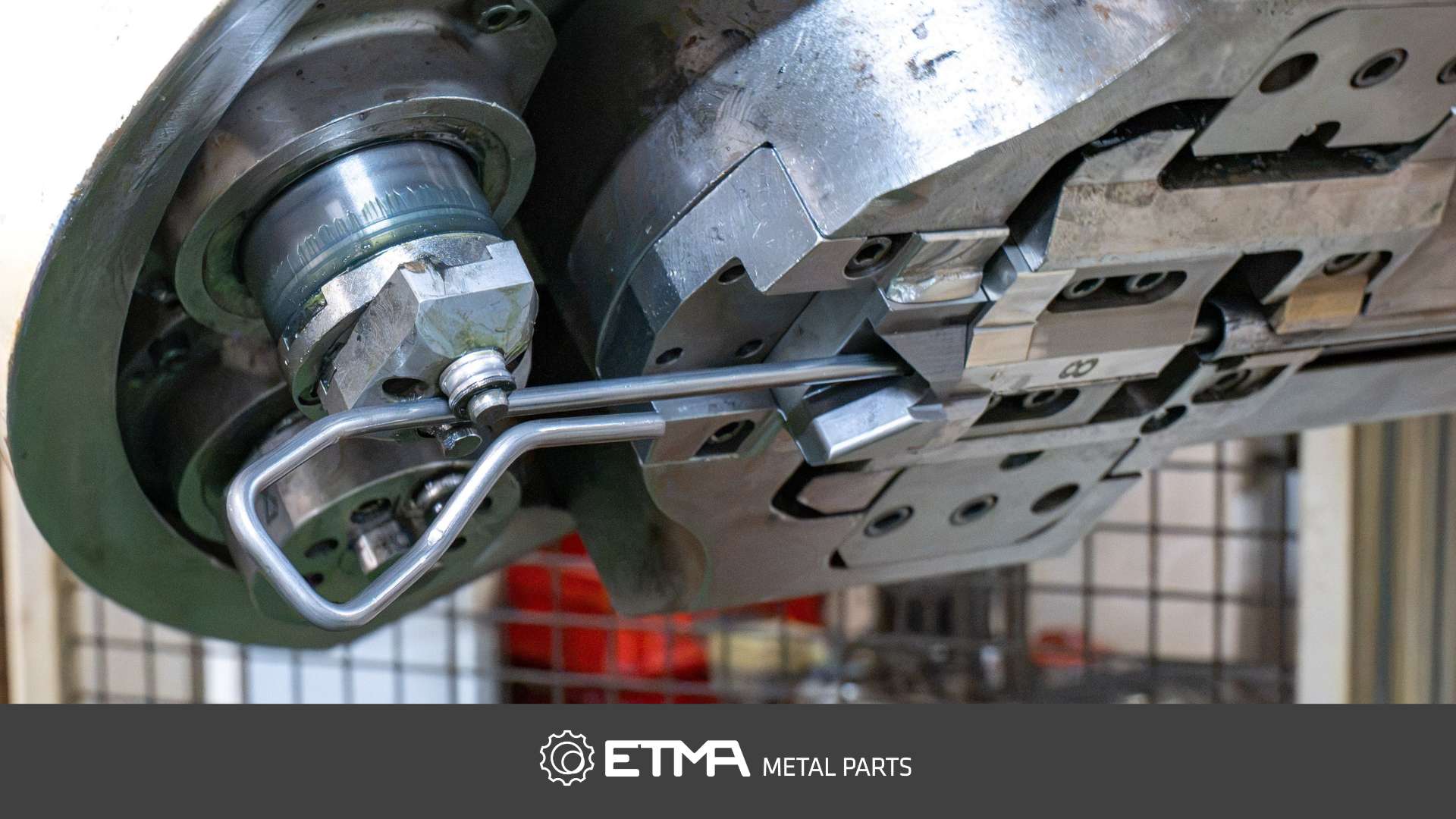
In the manufacture of metal components, the complexity of a part is not always apparent at first glance. A component made from wire may appear to have a simple geometry, yet incorporate different angles, bend radii, bending planes and dimensional requirements that make its production technically demanding.
This is precisely where Wire Forming plays a particularly important role. Using CNC equipment, metal wire can be transformed into components with three-dimensional geometries tailored to the functional needs of different industrial applications.
However, achieving the required shape is only part of the challenge. Ensuring that this geometry remains consistent throughout production requires a rigorous assessment of the material, forming sequence, tolerances and process conditions.
At ETMA, Wire Forming is part of the company’s system of 10 Integrated Production Processes, with the capability to process wire in different materials and diameters ranging from 2 mm to 16 mm.
To understand the factors that determine the precision and efficiency of this production process, it is important to begin by examining how wire forming works and the possibilities it offers for the manufacture of metal components.
WHAT IS WIRE FORMING?
Wire forming is a metalworking process that enables the production of parts with defined geometries through bending and plastic deformation operations.
Unlike machining processes, where geometry is achieved primarily through material removal, wire forming uses controlled deformation of the wire to achieve the required configuration.
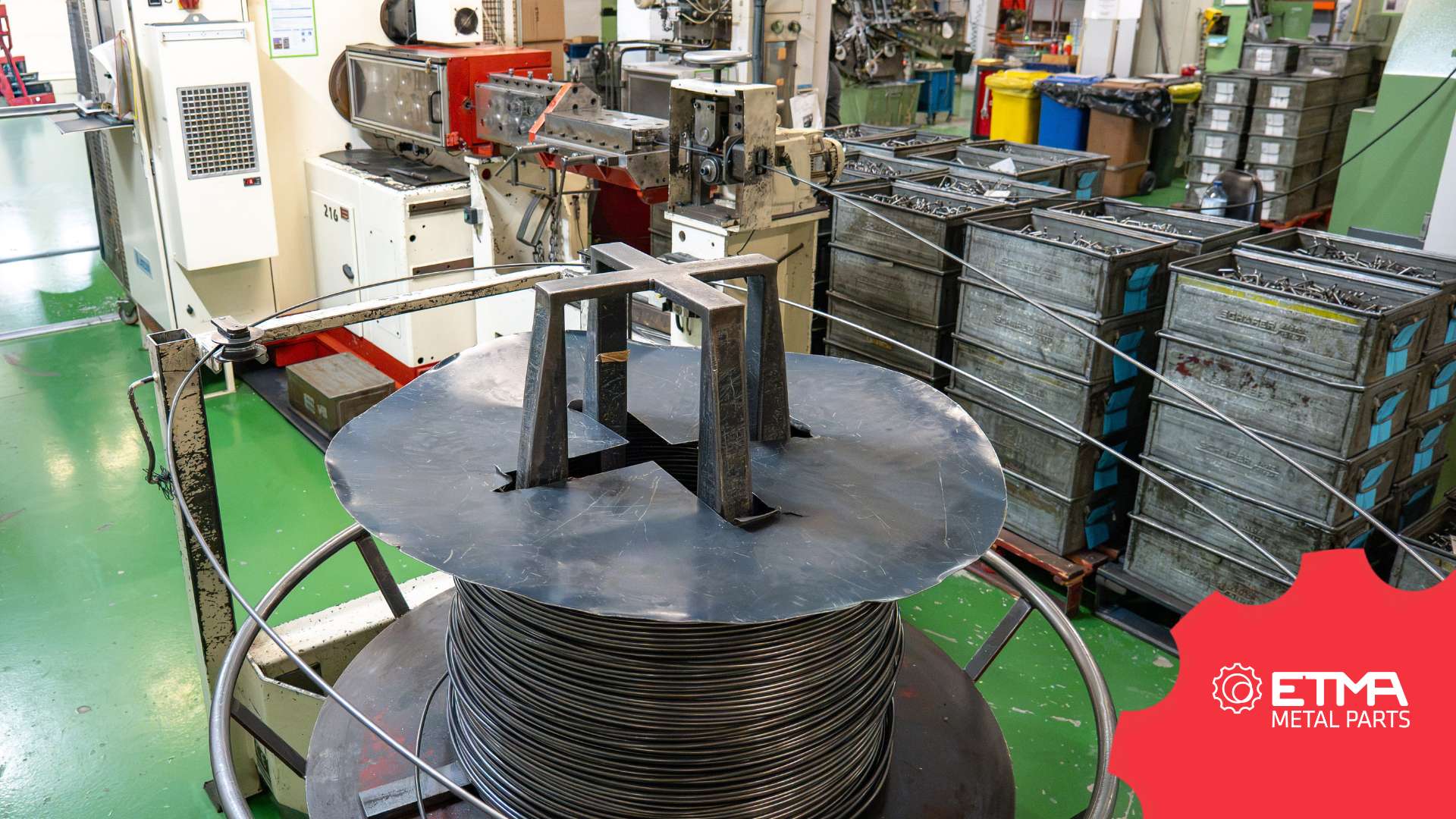
Using CNC equipment, programmed sequences of movements and bends can be performed in different planes, enabling the production of three-dimensional components with greater control over geometry and process repeatability.
Applications include hooks, rings, rods, shafts and other formed components used in sectors such as automotive, home appliances, furniture, bicycles, mopeds, construction and fastening systems.
However, the feasibility of each part depends on the combination of several technical factors.
5 FACTORS THAT DETERMINE PRECISION IN WIRE FORMING
- THREE-DIMENSIONAL GEOMETRY AND BEND RADII
Geometry is one of the first aspects to assess when developing a formed part. The number of bends, angles, bend radii, lengths of straight sections and spatial orientation of each element directly influence the complexity of the process.
In a three-dimensional part, these variables cannot be considered in isolation. Changing the radius of one bend may affect the position of other sections of the component or cause interference with the tooling during subsequent operations.
The relationship between bend radius and wire diameter is particularly important. Bend radii that are too small for the material’s characteristics can increase forming forces and the risk of cracking or unwanted deformation.
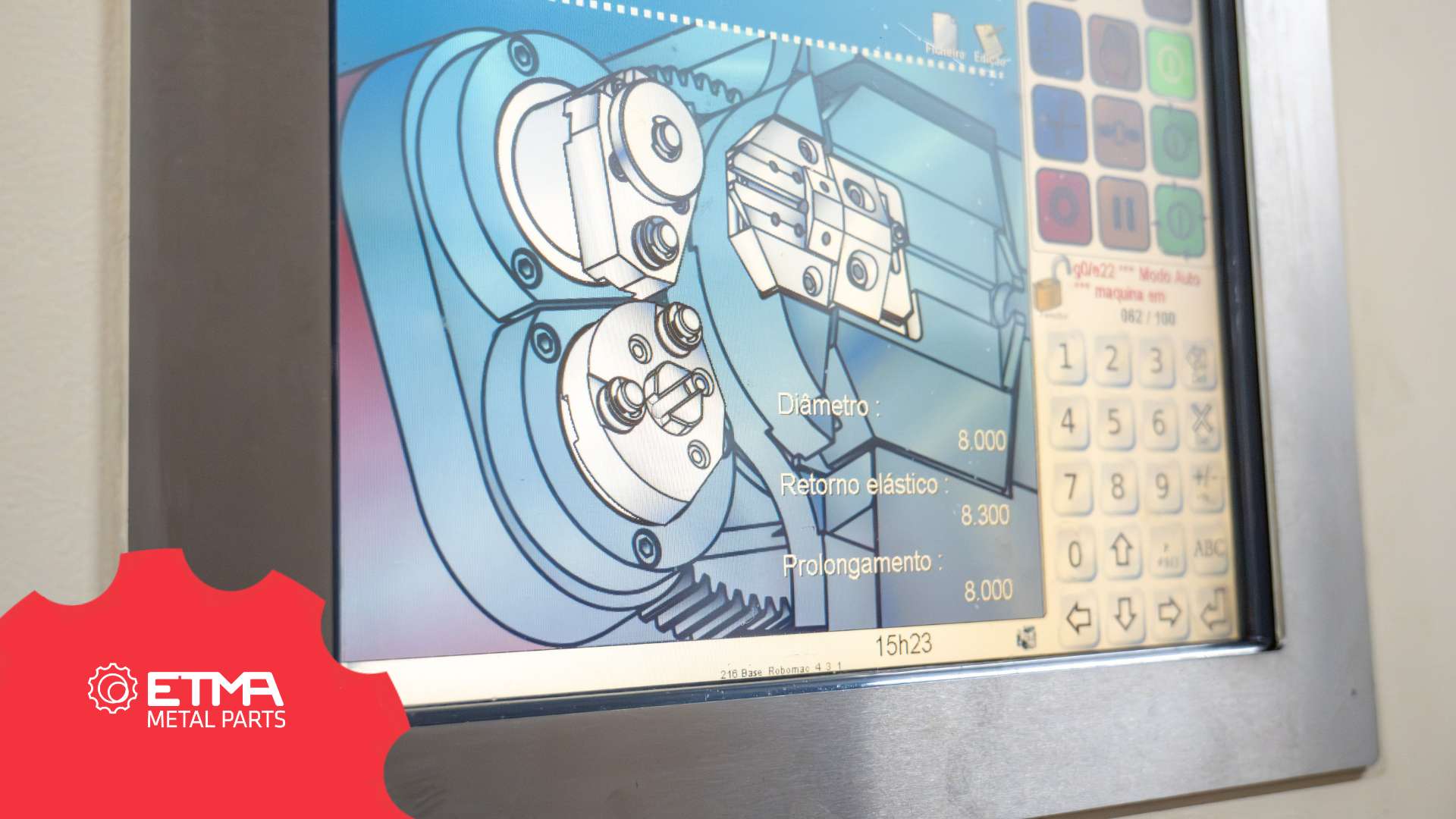
For this reason, an early assessment of the technical drawing makes it possible to identify opportunities to simplify the geometry, improve manufacturability and reduce difficulties during industrialisation, without compromising the function of the part.
- WIRE DIAMETER AND RAW MATERIAL CHARACTERISTICS
Wire forming is directly influenced by the mechanical properties of the material used.
Wire diameter, chemical composition, ductility, mechanical strength, hardness and the condition in which the material is supplied all influence its behaviour during bending operations.
A material with greater resistance to deformation may require higher forming forces or different bend radii from those suitable for a more ductile material.
At ETMA, the process can accommodate wire made from steel, stainless steel, bronze, copper, aluminium and brass. C9D is one of the predominantly used steel grades, although other specifications can also be accommodated.
With the capability to form wire diameters between 2 mm and 16 mm, raw material selection must take into account the required geometry, functional requirements and production conditions.
Choosing the right material contributes to process stability, tool life and the production of components that meet the project’s specifications.
- SPRINGBACK AND DIMENSIONAL CONTROL
One of the most significant technical challenges in wire forming concerns how the material behaves after bending.
During forming, the wire undergoes plastic deformation, which permanently changes its geometry, but also elastic deformation.
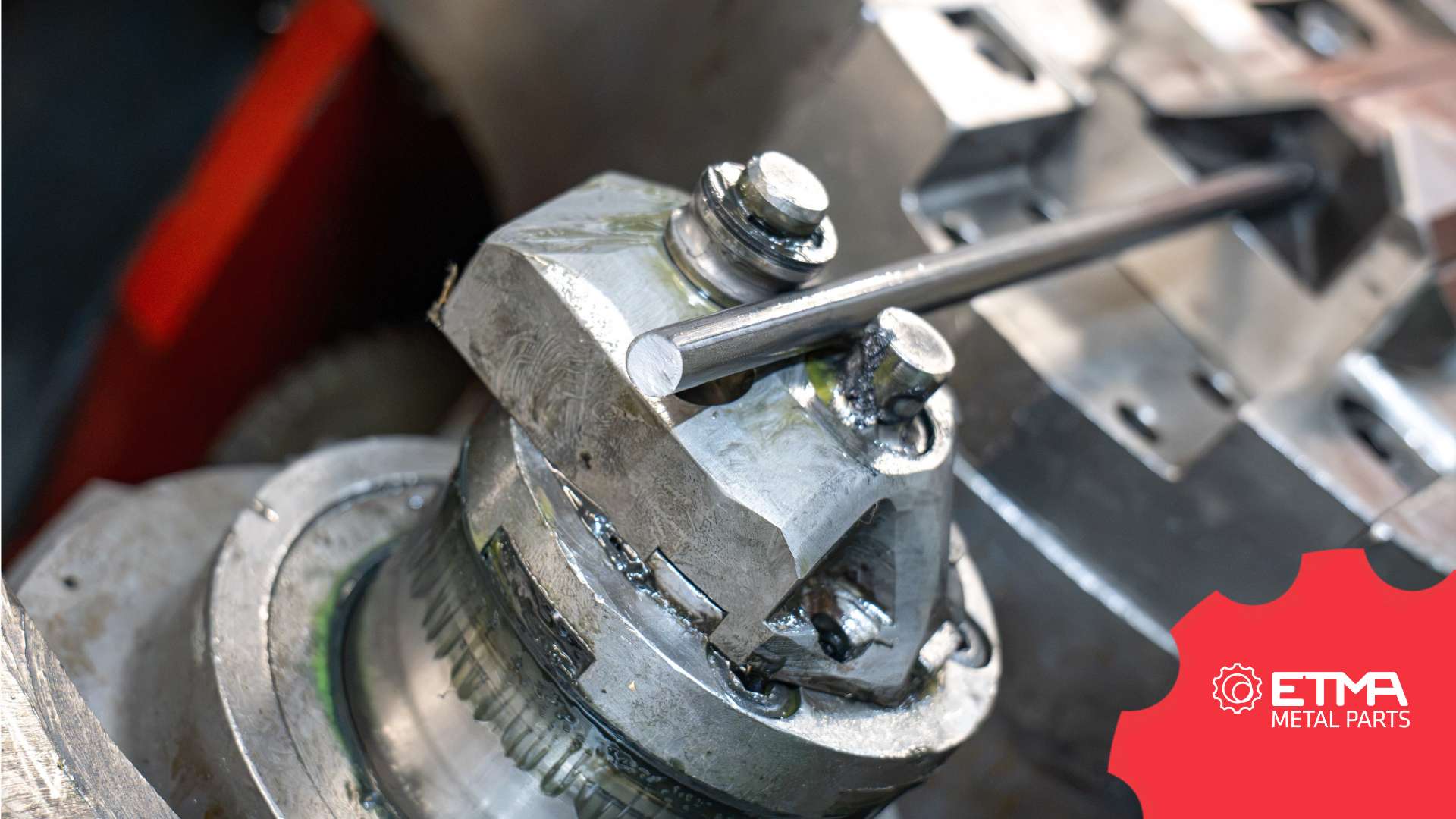
When the applied force is removed, some of this elastic deformation is recovered. This phenomenon, known as springback, can cause changes in bend angles and the final positions of different sections of the part.
Springback behaviour depends on factors such as the material’s mechanical properties, wire diameter, bend radii and forming conditions.
In three-dimensional components, small angular variations can accumulate over successive bends, resulting in significant deviations in final dimensions or in areas where components need to fit together.
For this reason, the definition of forming parameters must take springback into account and, where necessary, include compensations and adjustments to achieve the specified geometry.
Dimensional control therefore plays a fundamental role, particularly when parts are intended for assembly, fastening or integration into mechanical assemblies.
Precision depends not only on machine programming but also on the ability to control the material’s actual behaviour and reproduce the results consistently throughout the production run.
- FORMING SEQUENCE AND PROCESS AUTOMATION
For a part with multiple bends, the order in which operations are performed can be just as important as the geometry itself. Each movement must take into account the position of the component, tool access and the potential for interference between already formed sections and machine elements.
A suitable sequence, tailored to each part, can simplify certain operations, reduce cycle times and improve productivity and dimensional stability.
CNC programming enables forming movements to be organised according to the required geometry, while automation can help reduce repetitive tasks, improve operational consistency and make the process more efficient.
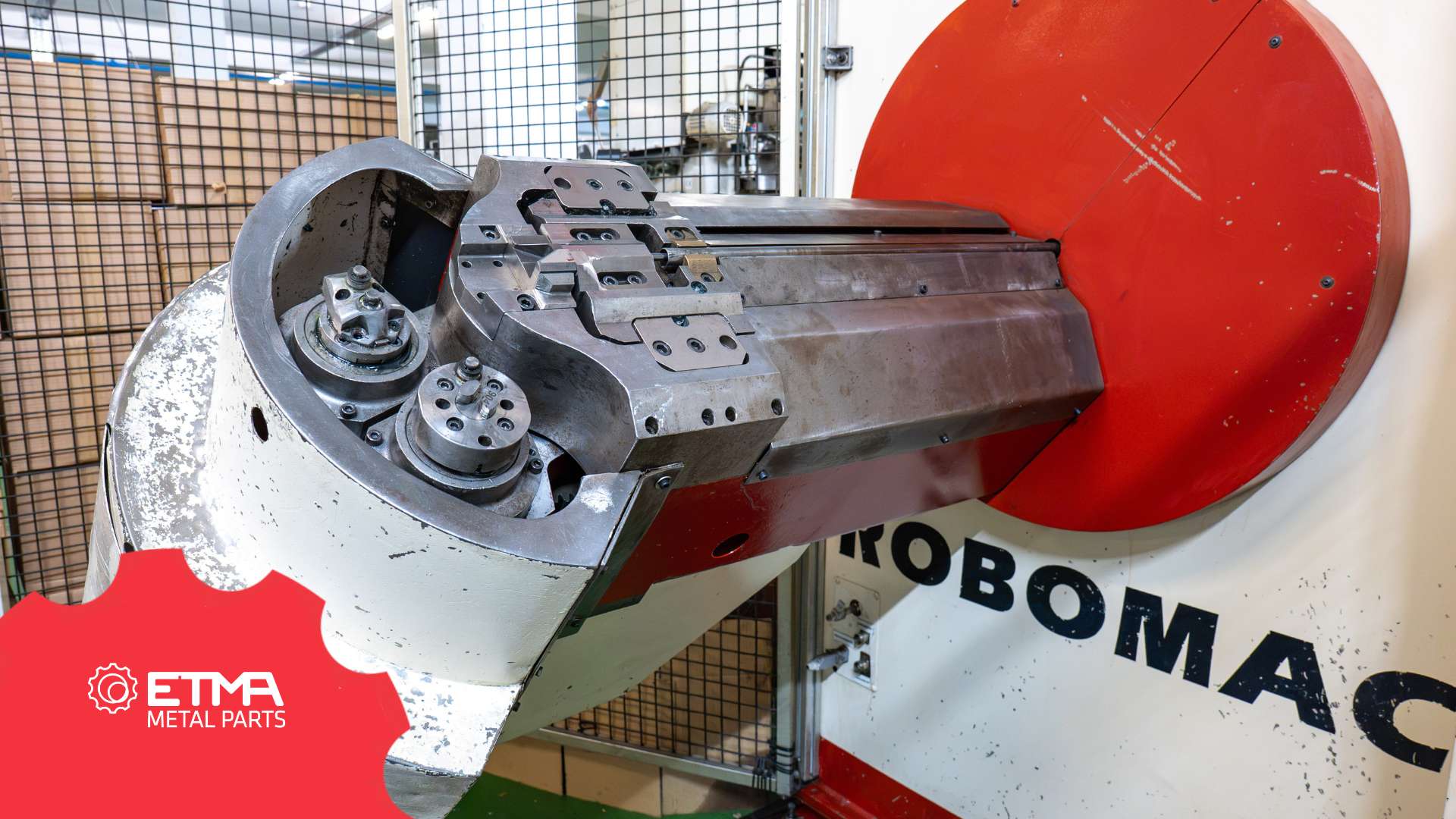
At ETMA, production capacity in this area is supported by equipment such as the Latour Robomac 216 CNC, Maquisis NC 3-13 and Maquisis NC 1-6, complemented by automation resources, including an ABB robot.
The integration of robotic solutions makes it possible, in certain configurations, to automate the transfer of components between operations and reduce the need for manual handling.
This flexibility is particularly relevant when adapting the process to different geometries and production volumes, enabling the requirements of small, medium and large production runs to be met.
However, automation must always be aligned with the technical requirements of the part and the economic feasibility of the project.
- COMPLEMENTARY OPERATIONS AND INTEGRATED PRODUCTION
Wire forming does not always end once the part has acquired its three-dimensional geometry. Depending on the application, the component may require additional operations to achieve the functional and dimensional characteristics specified by the client.
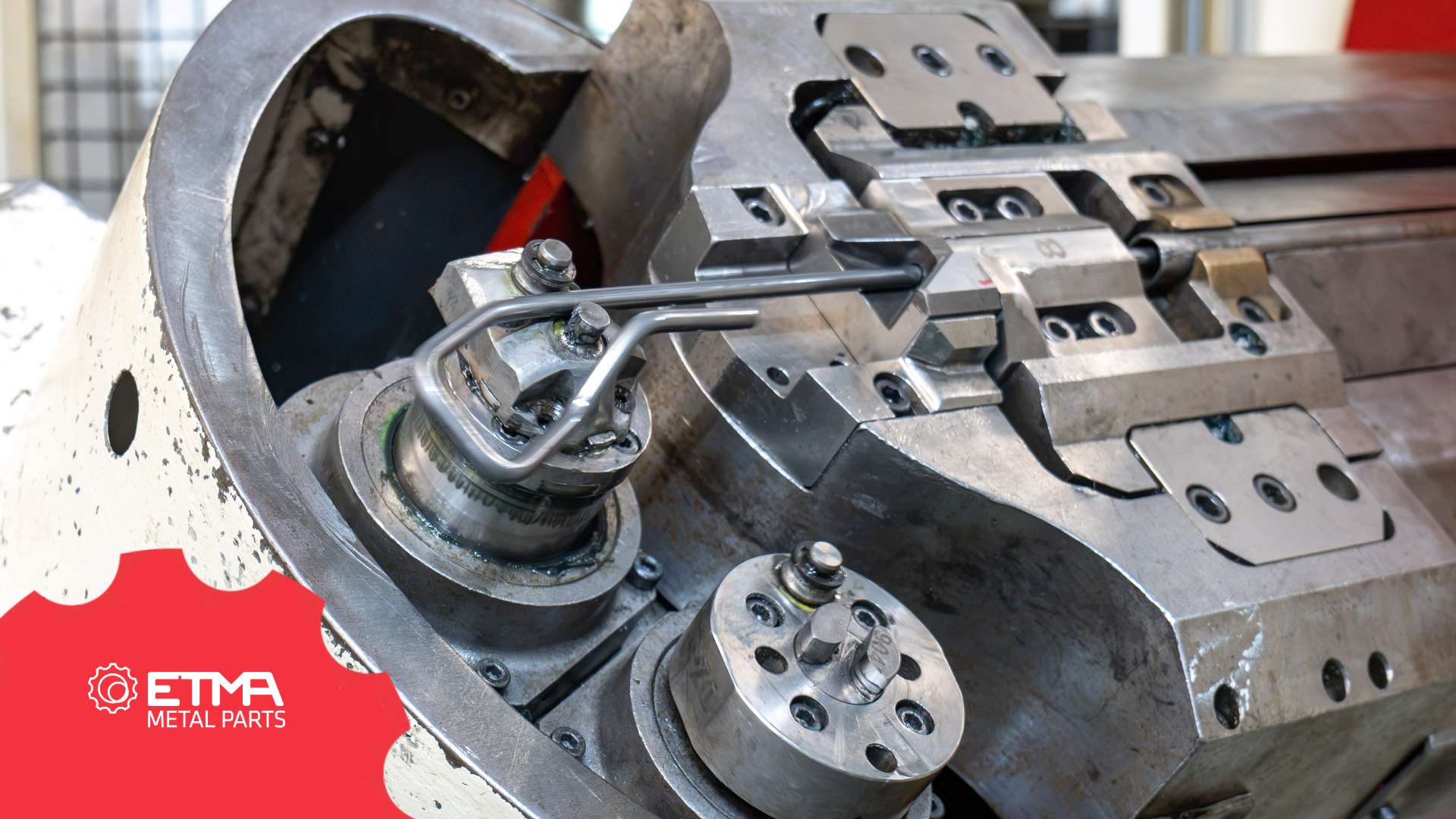
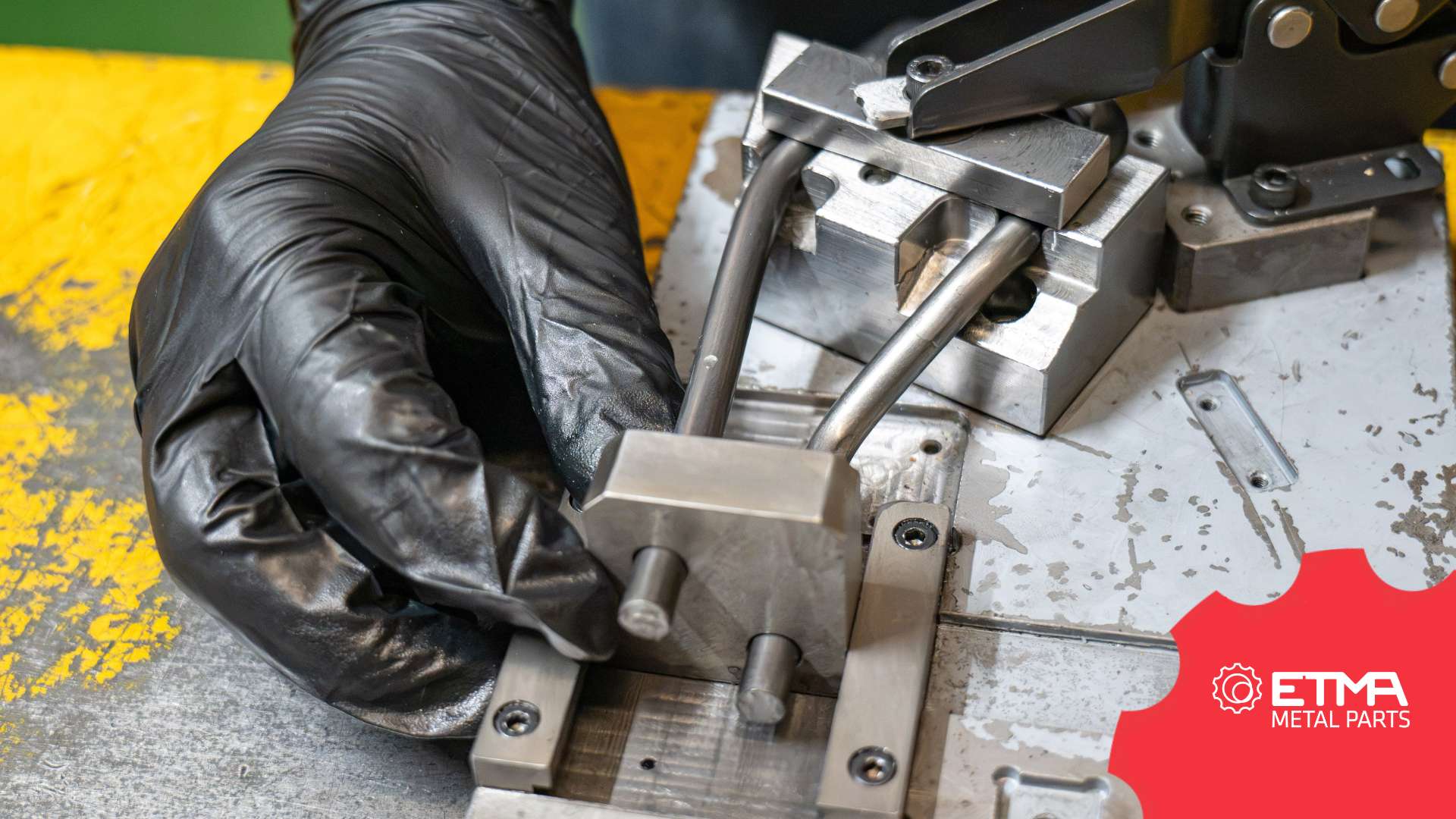
At ETMA, this process is supported by systems and accessories that enable operations such as bevelling, re-rounding, drilling, threading, stamping and welding.
These capabilities are complemented by integration with other production processes, particularly Heat Treatments, Surface Treatments, Assembly and Inspection.
This capability is particularly important when, for example, a formed part requires a welded joint, a threaded end or a surface treatment suited to its operating conditions.
Rather than considering each operation independently, integrated production makes it possible to develop a more complete solution, taking into account the requirements of the final component from the outset.
For the client, this approach can offer advantages in supplier management, the coordination of different operations, logistics and overall project control.
The value of wire forming lies not only in achieving a specific geometry, but also in the ability to transform that geometry into a functional component, ready for its intended application.
FROM GEOMETRY TO SERIES PRODUCTION: THE IMPORTANCE OF PROCESS ENGINEERING
Wire forming demonstrates how a seemingly simple process can involve technical decisions that have a direct impact on quality, productivity and industrial competitiveness.
Three-dimensional geometry, raw material characteristics, springback, the sequence of operations and the integration of complementary processes must all be considered together.
It is through this analysis that technically feasible solutions can be developed, ensuring stability and repeatability throughout production.
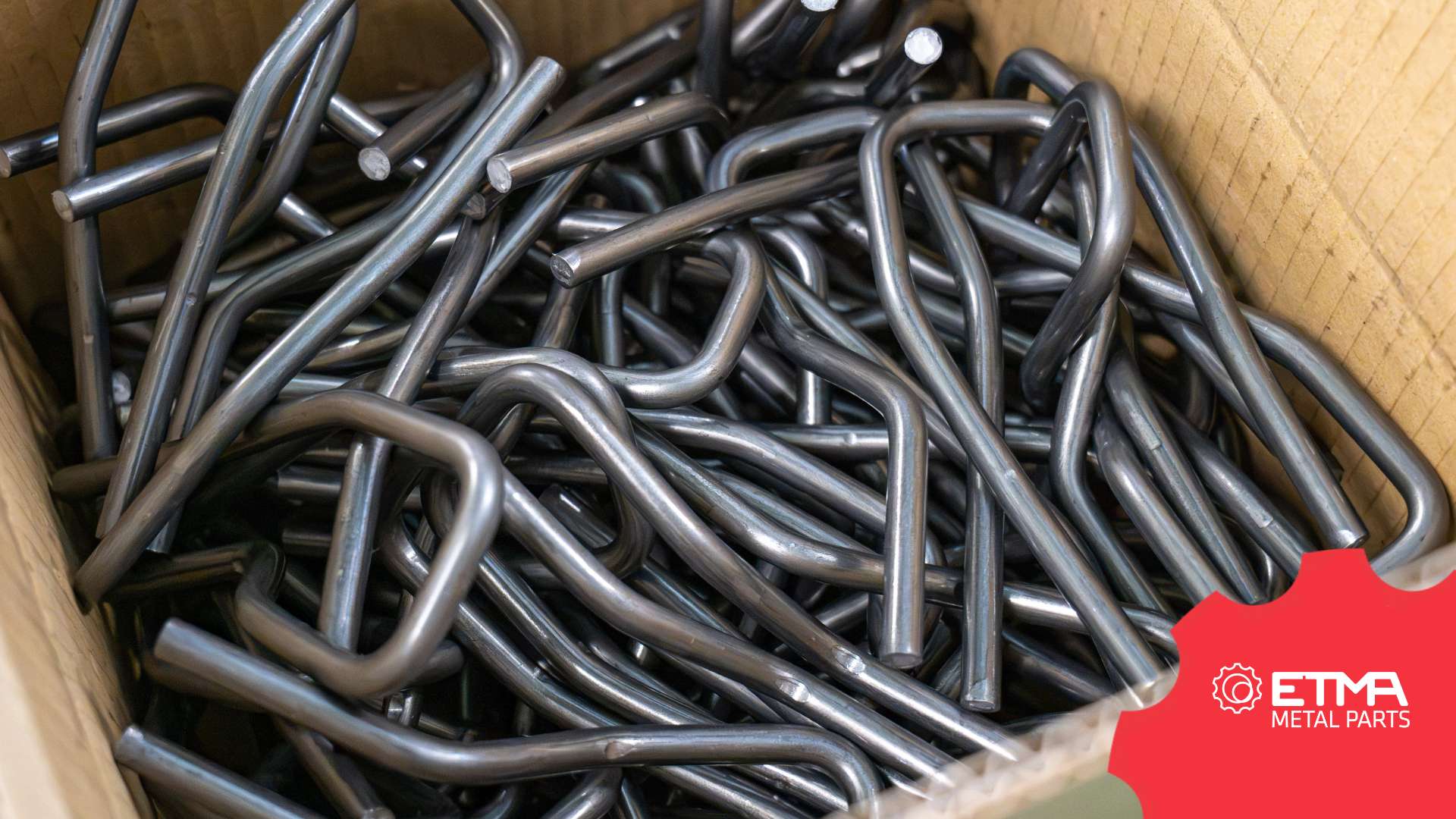
At ETMA, the experience of the technical team, CNC forming equipment and coordination between the 10 Integrated Production Processes make it possible to support component development, from the initial assessment through to the operations required for completion.
More than simply producing a part with the required shape, the aim is to ensure that this shape can be reproduced consistently and efficiently, in line with the functional and economic requirements of each project.
ARE YOU DEVELOPING A METAL WIRE COMPONENT?
ETMA’s technical team can support the assessment of the geometry, raw material selection, definition of the forming process and integration of the necessary complementary operations.
Share your project with us and discover how we can transform your part’s requirements into a technically appropriate, reliable and competitive production solution.